Why retiring early goes wrong — and the four things that cause it
Video: 4 Brutally Honest Truths About Retiring at 62
Retiring at 62 is not the mistake; the regret comes from four things almost nobody plans for. For anyone weighing retirement at 62, Josh walks through the Social Security switch, the health-insurance gap, the transition itself, and the money people are afraid to spend.
Watch on YouTube ↗ (opens in a new tab)
What you’ll learn
- Why Josh treats retiring and claiming Social Security as two separate decisions, and what a bridge from savings does
- How the survivor benefit makes an early claim the floor for whatever the surviving spouse lives on
- Why Medicare doesn’t start until 65, and the hard subsidy line Josh describes
- How Dennis and Karen fund the same spending from different accounts and land on different sides of that line
- Why Josh says the regret is the plan that never got built, not the age — and what a taper changes
- What sequence of returns risk is, and the structure Josh describes in place of willpower
Summary
Josh opens with Dennis, who retired three months ago with the number met and the mortgage gone, and is quietly asking whether he made a decision he cannot take back. Josh’s answer is that retiring at 62 was never the mistake — the regret comes from four things almost nobody plans for. The first is turning on Social Security the month you retire. Josh describes the benefit as a dial rather than a switch: every month you wait between 62 and 70, the dial turns up. Claiming early locks it at its lowest setting for life, and because the survivor keeps the larger of two checks, that number becomes the floor for the spouse left on her own.
The second is the health insurance bill: retire at 62 and Medicare does not start until 65, leaving three years of buying your own coverage, with the premium subsidy cutting off at a hard line. Josh walks through how Dennis and Karen can spend the same amount while showing very different taxable income depending on which accounts they draw from. The third is the transition: people answer whether they can afford to retire but never the questions that run the day after, and Josh describes tapering to part-time or consulting. The fourth is the saver who cannot spend — he names sequence of returns risk as a real fear, and describes a retirement paycheck with cash set aside and simple withdrawal rules as the structure that answers it.
“It’s almost never the age, it’s the plan that never got built around it.”
Key moments, in Josh’s words
Do I have to claim Social Security as soon as I retire?
No. Josh says retiring and claiming Social Security are two completely different decisions, and you can do one without the other. He describes the benefit as a dial, not a switch — every month you wait between 62 and 70, the dial turns up a little.
“Retiring and claiming social security are two completely different decisions. You can do one without the other.”
What happens to my spouse’s income if I claim early and then pass away?
Josh explains that when one spouse passes, the survivor keeps the larger of the two checks. So the benefit Dennis locked in at 62 is not just a number — it is the floor for whatever Karen lives on if she is on her own. Bridging buys a permanently bigger check and a bigger cushion for her.
“When one spouse passes, the survivor keeps the larger of the two checks.”
How do I get health insurance if I retire before Medicare?
Josh points out you can retire at 62 but Medicare does not start until 65, so that is three years of buying your own health insurance. He says for a couple in their early 60s that can run north of $2,000 a month.
“You can retire at 62, but Medicare doesn’t start until age 65.”
Does the health insurance subsidy phase out gradually?
No — Josh describes it as a hard line. Stay under it and you get help; go a dollar over and the help disappears completely. He adds that it matters more now because the bigger subsidies from the last few years expired at the end of 2025.
“There’s a subsidy that helps people pay that premium, but it cuts off at a hard line.”
Why do I feel lost a few months into retirement?
Josh says people spend years answering whether they can afford to retire but never answer the questions that run the day after — how income shows up each month, how to fill a Tuesday, when to claim Social Security, how to handle the tax code each year. He describes it as an income problem, a time problem and a tax problem arriving on the same morning.
“You spent years answering one question. Can I afford to retire?”
Is it better to go part-time than to fully retire?
Josh frames it as an option rather than all or nothing. Instead of a hard stop you taper — go part-time, consult, or drop to a few months a year. He says that keeps some income flowing, takes pressure off the portfolio, and lets Social Security keep climbing on the dial.
“It was never all or nothing.”
Why am I afraid to spend my retirement savings?
Josh is fair to the fear: if the market drops hard in the first couple years of retirement, right when you start pulling money out, it can do lasting damage. That is sequence of returns risk. But he says the answer is not willpower, it is structure — a retirement paycheck with cash set aside and simple rules for what you can pull each year.
“If the market drops hard in your first couple years of retirement”
What does being too cautious with retirement savings cost?
Josh explains the money you are scared to touch grows, and the IRS eventually forces it out as required minimum distributions, which often land in a higher tax bracket than if it had been spent or converted in your 60s. He adds that about a third of retirees still have everything they started with or more well into their 80s.
“The money you’re scared to touch doesn’t just sit there. It grows.”
What this covers
About Josh
I’m Josh Rendler, CFP®, founder of Motion Retirement and Partner at Define Financial. I turn complex retirement questions into clear strategies, and I uphold the fiduciary standard, 100% of the time.
Keep exploring
Example case study. Details are changed and some examples combine more than one household. Nothing here is a recommendation, and your own numbers will be different. What I say in a video reflects the rules and that person’s situation at the time of recording. That includes the age required withdrawals begin, which depends on your year of birth. Check anything that matters against the current rules and your own situation.
The guide
Get the guide with the key numbers behind videos like this one
All the important retirement numbers in one place
Read the full transcript
0:00 Dennis is 62. He retired three months ago and on paper everything worked. The number was there. The mortgage was gone. But the question running through his head is the same one a lot of people are quietly asking at 62. Did I just make a decision I can’t take back? Here’s the thing. The honest answer was yes and no. Yes, he’d already locked in one move he couldn’t reverse, but no, retiring at 62 was never the mistake. The regret comes from four specific things almost nobody plans for before they leave. And by the end of this video, you’ll know all four, and more importantly, how to plan around every single one of them. When someone comes to me after they’ve already retired at 62, there’s usually one decision they wish they could rewind.
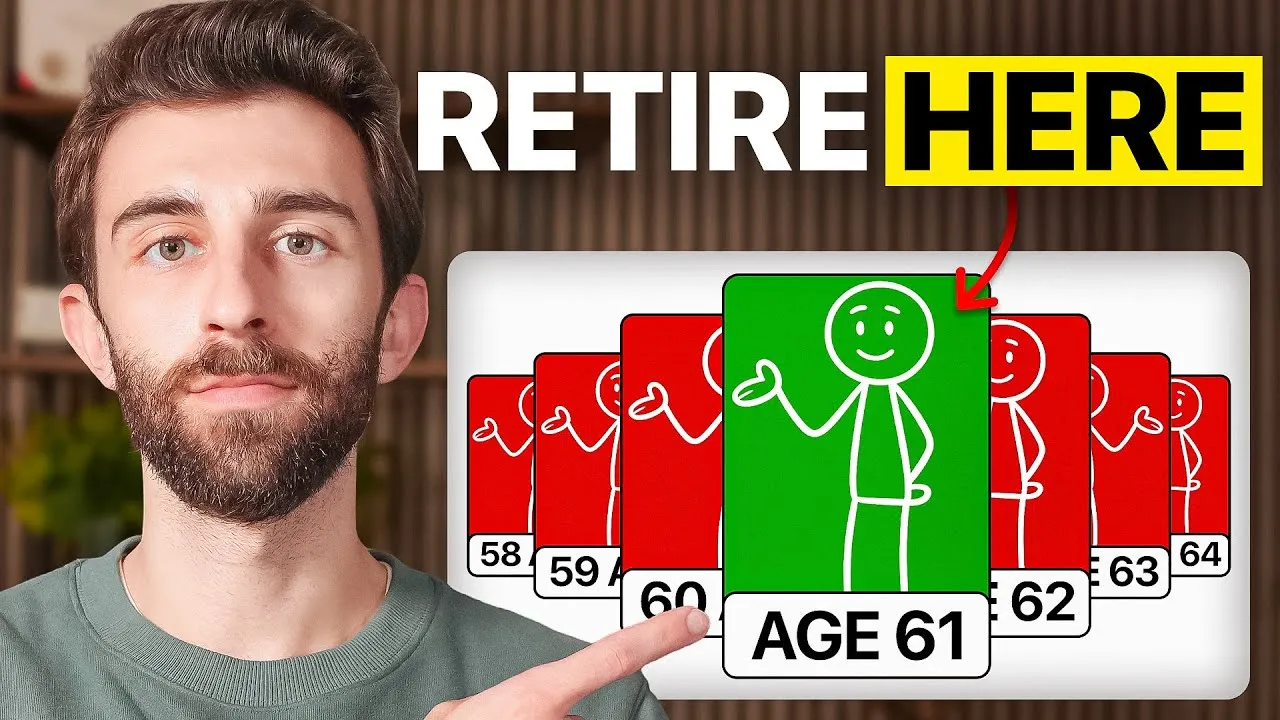
0:43 They turned on social security the month they retired. And maybe that’s your instinct, too. You stop working, so you start your check. It feels obvious. And again, you might be thinking, “Of course, I’d claim it. I earned it. Why would I leave money on the table?” Well, here’s why that instinct can cost you. Retiring and claiming social security are two completely different decisions.
1:04 You can do one without the other. So, think of your social security like a dial, not a switch. Every month, you wait between 62 and 70. The dial turns up a little. Claim a 62 and you lock the dial at its lowest setting. And that’s not for a year, it’s for life. If you claim at 62 instead of your full retirement age, which for most of you will be around 67, that’s roughly a 30% smaller check every month for the rest of your life. Now, wait until 70 and that same benefit is about 77% larger than the one at 62. So, here’s what Dennis could have done instead. He didn’t actually need the money at age 62. He had cash and savings he could have lived on for a few years. So the move for him, it was simple. Leave social security switched off for a few years and cover your spending from savings while that dial keeps climbing.
1:57 That’s the bridge. But Dennis turned the check on out of reflex and locked in the lowest number on the dial. And even if you’ve already claimed, stay with me because this next piece still protects the person you’d leave behind. When one spouse passes, the survivor keeps the larger of the two checks. So, the benefit Dennis locked in at 62, it’s not just a number, it’s the floor for whatever Karen lives on if she’s on her own. Bridging from 62 to 67, even to 70, buys a permanently bigger check and a bigger cushion for Karen. That’s the raise you give to yourself for the rest of your lives. So, the regret, it wasn’t retiring at 62, it was turning on a check they didn’t need yet. But the check is only the first place this shows up because the moment you retire at 62, a bill lands that most people never put in the budget. Most people run their number before they retire. They add up the savings, subtract the spending, and
2:54 the math says go. So, when the money feels tighter than the spreadsheet promised, it catches you off guard. Here’s the one that surprises people most. You can retire at 62, but Medicare doesn’t start until age 65. So that’s three years where you’re buying your own health insurance. And for a couple in their early 60s, that can run north of $2,000 a month. Let’s call it over $25,000 a year before you’ve done anything else or spent any other money.
3:21 Now, you might be thinking, “Sure, there’s help for that, but only if you’re low income, and that’s not me.” Well, stick with me because I’ve run this exact math for hundreds of couples, and it changes the answer more than they expect. There’s a subsidy that helps people pay that premium, but it cuts off at a hard line. For 2026, that line is 400% of the federal poverty level, which for a couple is about $84,600 of income. So stay under it and you get help. Go a dollar over and the help disappears completely. And this matters more right now than it used to because the bigger subsidies from the last few years expired at the end of 2025. So here today in 2026, that line is a real cliff. Again, here’s what makes it something you can actually control. It’s not about how much you spend, it’s about how much it shows up as taxable income.
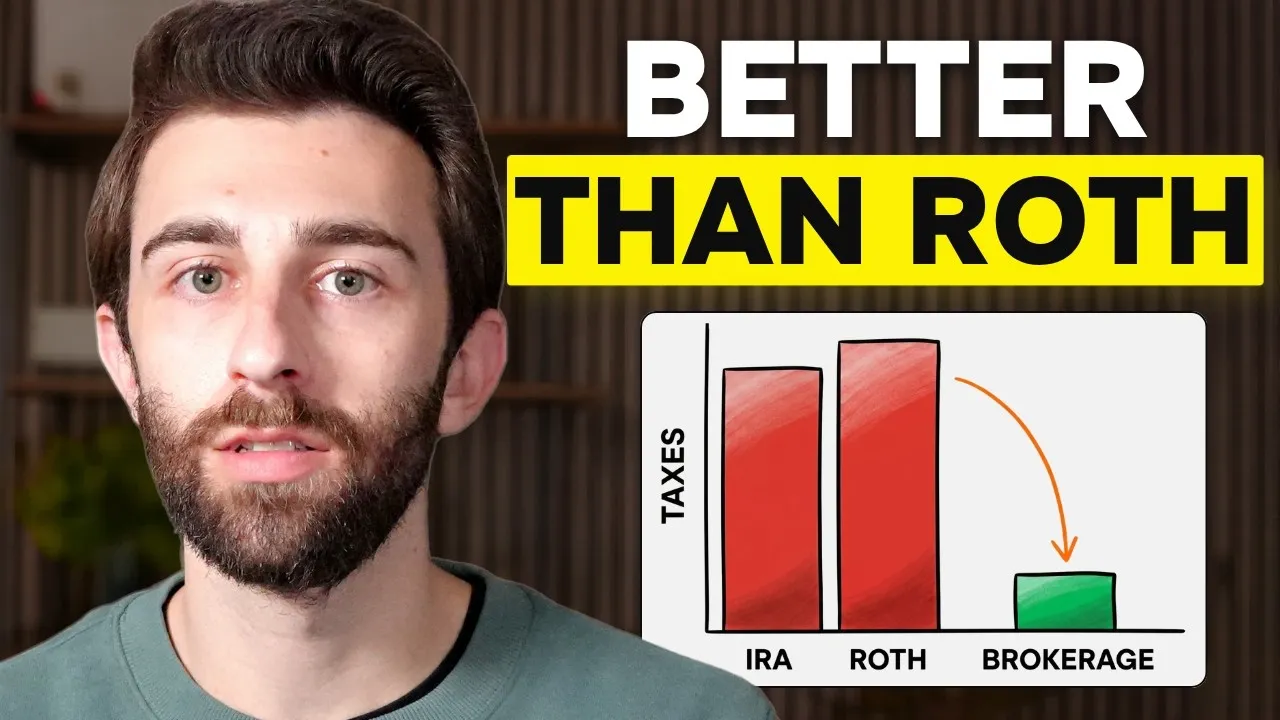
4:14 So let’s walk it out with Dennis and Karen. They have $2.5 million mostly in pre-tax retirement accounts. Say they need $120,000 to live on this year. One way to get there is to pull the whole $120 out of their IRA. Clean and simple. But now their income is $120,000, which is well above that $84,600 line we just talked about. And as a result, they pay full price for their healthcare coverage. Here’s the other way around. They pull about 70K from cash and regular savings because they have it available to them and only $50,000 from the IRA. Same $120,000 in their pocket or being spent, but cash isn’t taxable income. So on paper, their income sits around $50,000, which is comfortably underneath that cliff. Now they qualify for the help and that premium can drop by well over $10,000 a year. So same lifestyle, same money spent, more than $10,000 in difference in a single year just from which account
5:17 they pulled from. And keeping that income low, it does one more thing for you down the road. I’ll come back to that because this is exactly the kind of thing we map out before someone retires. So you find this out in a planning meeting, not in April with your accountant. That’s what the test drive will buy you, not another spreadsheet.
5:36 It turns the biggest question, will this actually work into a number you can stop asking about? Real quick, if you’re a DIYer or tackling this on your own, there’s no need to memorize these numbers. I put together a free guide. It has all of them in one place and it’s linked in the description below. Now, there’s another thing that surprises most people because it has nothing to do with money. A few months into retirement, a lot of people feel something they didn’t expect. Not broke, just a little lost. And the easy explanation is that you missed the work, but that’s not always the case. And here’s what’s actually happening. You spent years answering one question. Can I afford to retire? But you never answered the ones that run the day after. How does the income actually show up each month? How do you fill your Tuesday? But when do you claim social security? How do you handle this complicated tax code? Every year,
6:25 retirement isn’t the finish line you pictured. It’s an income problem and a time problem and a tax problem arriving all on the same morning. Now, you might be thinking, “So, you’re telling me to just keep working forever?” No, not at all. Here’s the option most people haven’t considered yet. It was never all or nothing. And for a lot of people at 62, the honest truth is you might not hate the work. you’re just tired of doing all of it. So instead of a hard stop, you taper, you go part-time, you do consulting, or you drop down to a few months out of the year. That keeps some income flowing, takes pressure off the portfolio, and lets Social Security keep climbing on that dial. This is the real reason people regret retiring at 62.
7:10 It’s almost never the age, it’s the plan that never got built around it. For Dennis, a two or threeyear taper would have funded the whole bridge and made the social security decision easy. There’s nothing to sell here. It’s just sequencing. And even if you truly want to be completely done, we’re talking about no emails, no meetings, nothing.
7:30 The plan still has to answer those same questions. You just answer them before you leave instead of during that transition or after. The reward for getting this right is simple. You get to ease out on your own terms and keep the parts of work you actually liked. By the way, the exact way to time that Social Security claim, that’s a whole conversation on its own, and I’ll come back to it before the end. Now, there’s one more regret, and this one’s different. This is the person who did everything right. You saved for 30 years. You built a real nest egg. Then, you retire, but you can’t bring yourself to spend a dime of that money. And you might be thinking, being careful is the smart move, isn’t it? Well, part of it is, and I want to be fair to that fear, because part of it, again, it’s real. If the market drops hard in your first couple years of retirement, right when you’re starting to pull money out, it
8:21 can do lasting damage to the plan. That’s called sequence of returns risk. The order your returns show up in matters most right at the start of retirement. So, the caution makes sense, but the answer, it’s not willpower, it’s structure. Here’s the move. You build an actual retirement paycheck. You set aside a couple years of spending in cash so you never have to sell in a market downturn. And you give yourself simple rules for what you can pull each year.
8:48 Once the plan tells you the money is okay to spend, the fear has nothing left to grab onto. And here’s what being too careful can actually cost. Which connects back to keeping that income low from earlier. The money you’re scared to touch doesn’t just sit there. It grows. And at 75, the IRS forces it out whether you want it or not. Those are required minimum distributions or mandatory withdrawals that often land in a higher tax bracket than if you spent or converted that money in your 60s. Not for everyone, but for a lot of my clients, they would have fallen down this path. So being too cautious, it has its own tax bill, and the data here is honestly a little bit freeing. About a third of retirees still have everything they started with or more well into their 80s. The research is clear that people with real savings tend to underspend what they could safely enjoy.
9:41 So again, for most people, this was never really about running out of money. It’s about permission. Permission to spend and live your life. Let’s go back to our friends Dennis and Karen. Once the paycheck was built and the bridge was covering the gap, they finally booked the trip they’ve been circling for 2 years. That’s what this is all really for. It’s not a bigger number on a statement. Again, it’s permission to spend. Now, if you’d rather have a team of CFP®s build one system around your whole retirement so all of this is handled in the right way, there’s a link below to book a free meeting with my team. Or if you’d rather run it yourself, that free guide should really help you out. So, let’s go back to where we started. Why do so many people regret retiring at 62? It’s almost never the age. It’s really just four things. a check they locked into early, cost they never test drove, a transition they
10:30 never planned for, and the money they were too afraid to enjoy. And every one of them was preventable. Dennis and Karen, they didn’t have to retire later. They just had to retire with a better plan. And if they did, 62 could turn out to be exactly the right time. Now, before you go, I’m curious where you land on this. Would you claim social security early so you can start enjoying it now, or are you waiting for the bigger check? Let us know below. And I know you’re sick of hearing this, but if this video helped, a quick like or subscribe will genuinely help more retirees find this. Now, about actually timing that Social Security claim, there’s a right way to do it that can add real money over the course of your retirement. I broke it down in this video right here. Thanks for watching and I’ll see you